
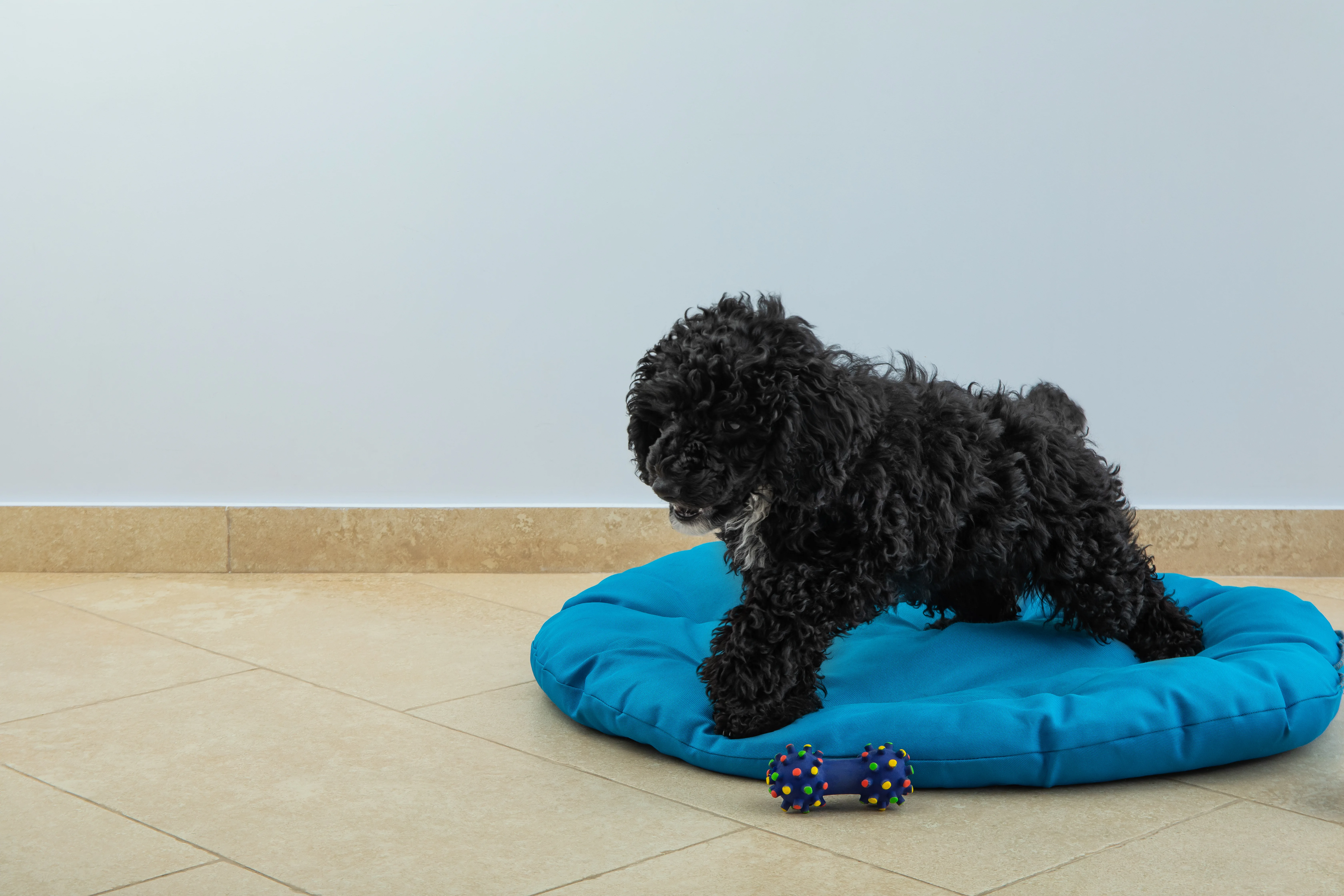
If you live with a dog, you know the look: the wide eyes, the sudden sprint through the living room, the tight turns around the coffee table.
Zoomies can be hilarious, and they can also be your dog’s way of letting off steam after a day packed with new smells, sounds, people, and play.
The tricky part is what comes next. Some dogs switch off easily once the excitement passes. Others stay “on” for a while, pacing, mouthing toys, bouncing back up at every little noise.
Helping your pup unwind is not about forcing calm. It is about setting up a routine that makes it easier for their body and brain to settle.
Below are practical, non-fussy ways to guide your dog from wired to relaxed, especially after busy days like daycare, long hikes, travel, or a house full of guests.
1) Start with a predictable transition home
Dogs do well when the pattern stays familiar. If you come home from an outing and immediately launch into more activity, your pup may stay revved up. Instead, build a short “arrival routine” that signals a shift.
Keep it simple:
- Give them a minute to sniff around the yard or entryway.
- Offer fresh water.
- Do a calm leash walk around the block if they have been in the car for a while.
- Keep greetings low-key for the first few minutes.
This is not about being cold. It is about helping your dog shift from excitement to ease. When the homecoming is predictable, many dogs begin to settle sooner.
2) Make decompression walks part of your toolkit
Not every walk needs to be a workout. After a big day, a slow sniff walk can be more helpful than another burst of fetch. Sniffing is one of the most natural ways dogs process information. It gives them a job that is engaging but not overstimulating.
Try this:
- Use a longer leash in a safe area.
- Let your dog choose the route when possible.
- Pause often and allow plenty of sniff time.
- Keep your pace relaxed.
You are not “tiring them out.” You are giving them a gentle way to downshift. Many owners notice their dogs come home from a sniff walk looking softer in the eyes and body, even if the walk was short.
3) Offer a cool-down snack with purpose
After heavy play or a long outing, your dog may be hungry. A thoughtful snack can do double duty: it refuels them and creates a calm moment.
Aim for something that encourages slow engagement:
- A frozen lick mat with dog-safe ingredients
- A stuffed Kong
- A simple puzzle feeder
- A scatter feed in the grass or on a snuffle mat
Licking, chewing, and foraging are natural behaviors that can support a calmer state. The key is to keep the setup easy and consistent. When your dog learns that “we come home, then we lick and relax,” you are building a reliable bridge to rest.
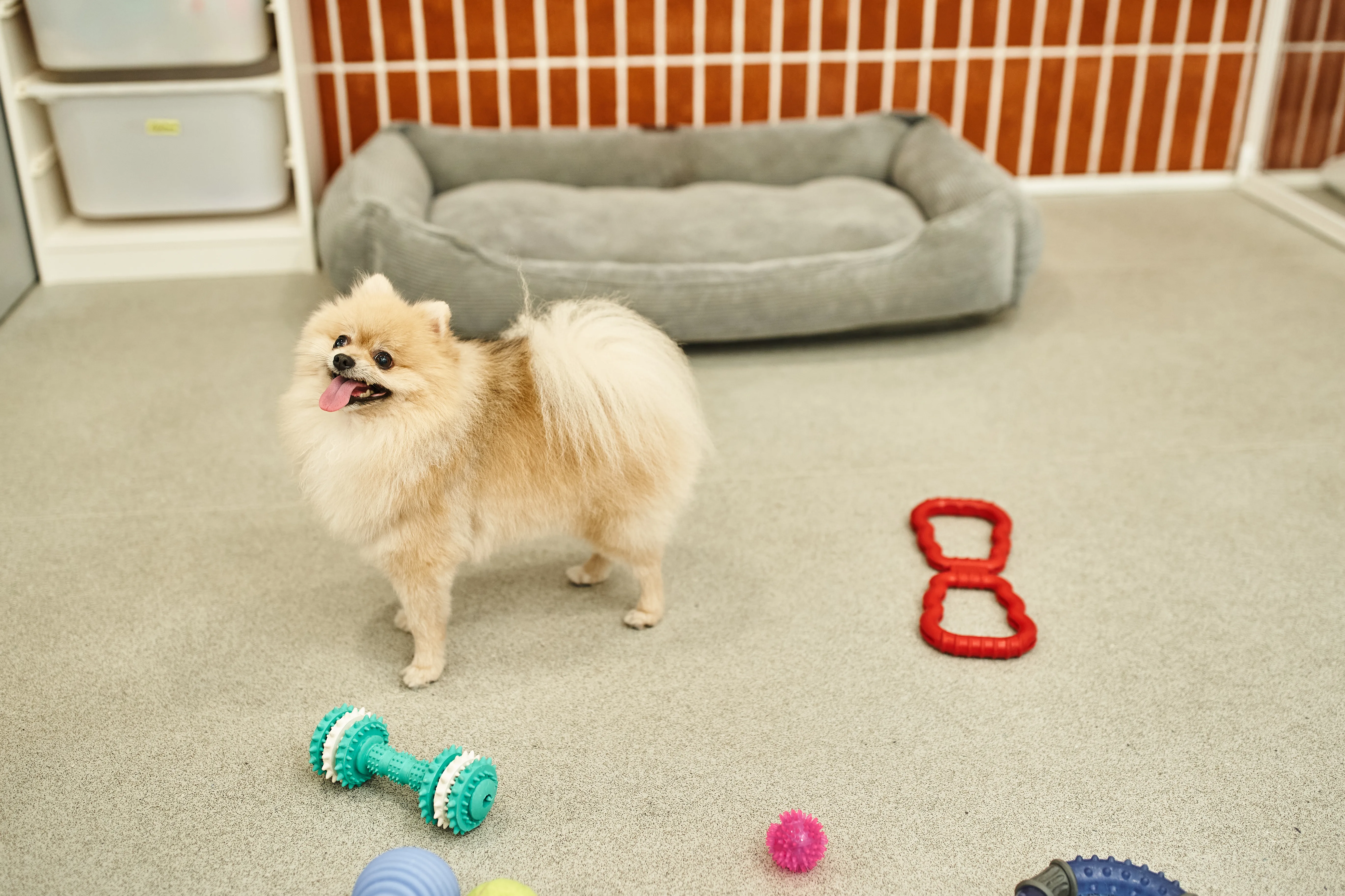
4) Create a “settle zone” that actually works for your dog
A settle zone is not just a pretty dog bed in the corner. It is a spot that fits your dog’s preferences.
Consider:
- Some dogs relax best near people. Place the bed where they can see you.
- Some dogs prefer a quieter room away from foot traffic.
- Some like a crate with the door open and a light blanket for a den-like feel.
- Many dogs settle better with a familiar scent, like a worn t-shirt.
The goal is to make relaxing the easiest option. If the bed is in a noisy hallway, your dog may keep popping up. If it is in a spot that feels safe and predictable, you will see longer, deeper rest.
5) Use gentle touch and slow cues
After a big day, your dog’s body can still be buzzing. Fast pats and excited voices can keep them in play mode. Instead, use slow signals.
Try:
- A calm, steady voice
- Long, gentle strokes along the shoulders or chest if your dog enjoys touch
- A quiet cue like “settle” or “bed” paired with a reward
Not every dog loves petting when they are wound up, so pay attention to their body language. If they lean in and soften, keep going. If they move away or get mouthy, give them space and try a different calming activity like licking or sniffing.
6) Keep your evening environment boring in a good way
A busy day plus a stimulating evening can be too much. If your dog has already had plenty of excitement, your job is to make the next hour calmer than the last.
Small changes help:
- Dim the lights in the evening
- Lower the volume of the TV
- Put away high-energy toys for a while
- Reduce roughhousing right before bedtime
You do not have to tiptoe around your dog. You are simply shaping the environment so “rest” feels natural. Dogs take cues from us. When the house slows down, many dogs follow.
7) Try scent games instead of more chase games
If your dog is still alert after a big day, you might think they need more running. Sometimes they need a different kind of engagement instead.
Scent games are a great middle ground. They give your dog a task without adding more frantic movement.
Ideas:
- Hide treats around one room and let them search
- Hide a toy under one of three cups
- Use a snuffle mat for a few minutes
- Toss a few treats into a box filled with crumpled paper for a safe “dig”
Keep sessions short. End while your dog is still interested, not overstimulated. Then transition to the settling zone.
8) Support a consistent bedtime rhythm
Dogs are creatures of habit. If bedtime changes every night, it can be harder for some pups to settle. A steady rhythm does not need to be rigid, but it helps when the sequence stays familiar.
A simple pattern might be:
- Last potty break
- Quick sip of water
- Calm cuddle or quiet time
- Into bed with a cue and a small reward
If your dog tends to get a second wind late at night, consider moving their final active play earlier in the evening. Many dogs do better when high-energy activities happen a few hours before bedtime, followed by calmer habits.
9) Pay attention to “too much, too soon”
Some dogs struggle to unwind because their day was stacked with stimulation, and they never had time to reset. This can happen with back-to-back activities like daycare plus a dinner party, or a long trip followed immediately by more excitement at home.
If you notice your dog often has trouble settling after “big days,” look at the schedule:
- Can you add a quiet break in the middle?
- Can you shorten the most stimulating part?
- Can you alternate busy days with slower ones?
This is not about limiting fun. It is about balance. Dogs, like people, do better when there is space between high-energy moments.
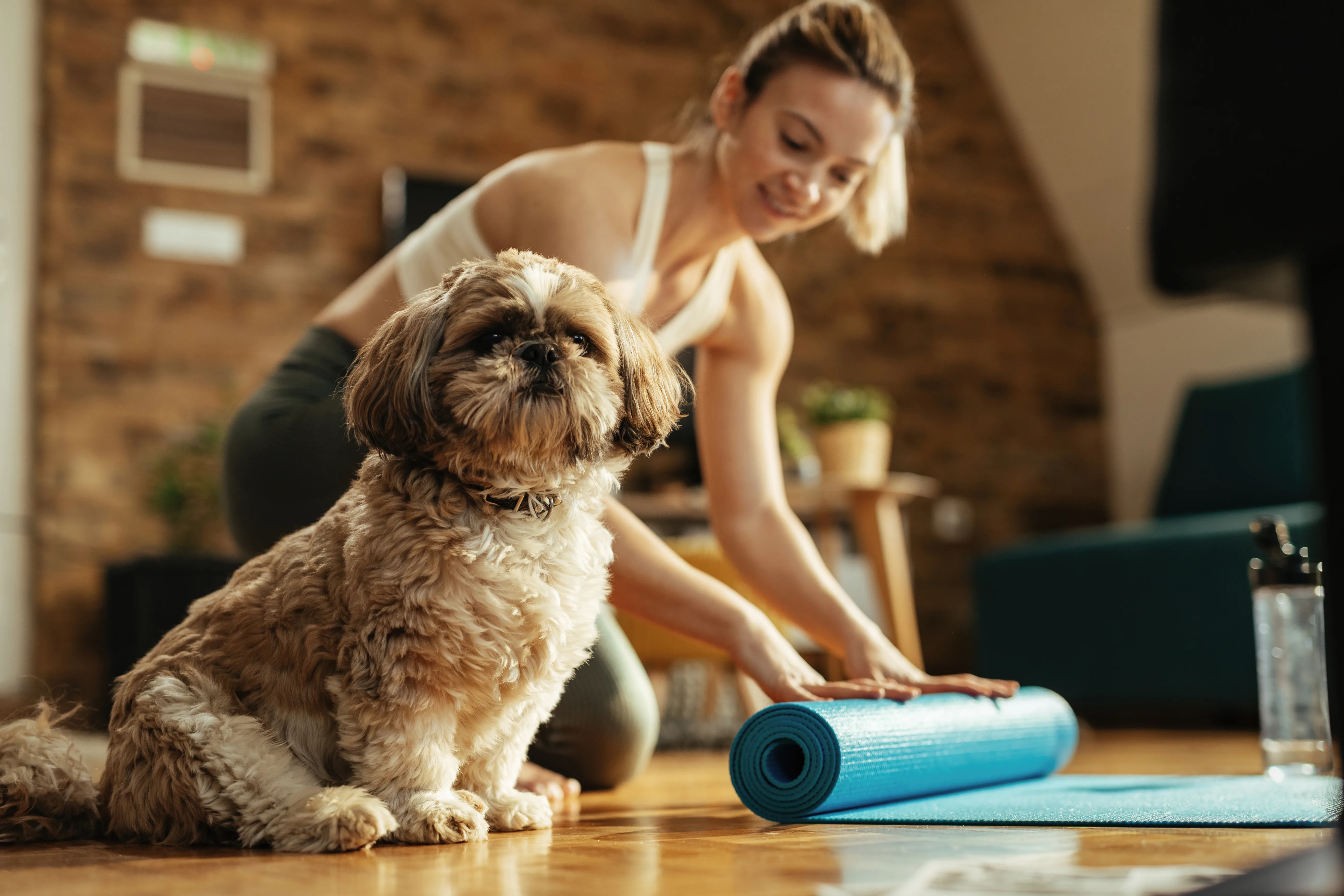
10) Consider wellness additions that fit a routine
Some pet parents like to include simple wellness products as part of an evening routine, especially when they are focusing on consistency. If you go this route, the biggest factor is fit. Choose something that feels easy to use, and keep the routine steady.
For example, the CBD pet tincture from Joy Organics can be incorporated into an existing wind-down rhythm for owners who already use a tincture format with their dog.
Some owners keep Joy Organics in the same place they store the leash and treats, so it stays part of a familiar, low-effort routine.
The product itself should not be the whole plan. It works best as one small part of a routine built around calm walks, quiet enrichment, and a familiar bedtime pattern.
As with any routine change, it can help to keep notes for a week or two. Not fancy tracking, just quick observations: Did your dog settle faster? Did they sleep longer? Did they seem more restless? Small details can guide what you keep and what you drop.
11) When to simplify, not add more
If your dog is struggling to settle, the answer is not always another new trick. Sometimes the best move is subtraction.
Try removing one stimulating element at a time:
- Pause evening fetch for a few days
- Swap high-energy tug for sniff games
- Turn off background noise for an hour
- Reduce late-night treats that get your dog excited
Once you find what helps, keep it consistent for a while. Dogs learn patterns through repetition. The calmer routine becomes their new normal.
12) Build calm as a skill, not a mood
One of the most underrated ideas in dog training is that calm can be taught. Not through punishment or forcing stillness, but through rewarding small moments of relaxation.
Here is an easy approach:
- When your dog lies down on their own, quietly place a treat nearby.
- When they choose the bed, reward it.
- When they watch something without reacting, reward it.
Over time, your dog learns that calm choices are worth repeating. This can make big-day evenings smoother because your dog already has practice choosing rest.
From zoomies to zen, without the drama
Zoomies are normal. Excitement is normal. A big day should be fun for your dog and for you. The goal is not to remove energy. The goal is to give your pup a clear path back to rest.
Start with the basics: a predictable transition home, a decompression walk, and calm enrichment like licking or sniffing. Create a settle zone that feels right for your dog. Keep evenings quieter when the day has been busy. Reward calm when it happens naturally.
If you choose to add wellness products into the mix, keep them in their proper place: supportive, simple, and secondary to the routine itself. When the pattern stays steady, many dogs learn to unwind faster, and everyone ends the day in a better mood.
And on the nights when your pup rockets around the room one last time, take it as a sign that they had a full day. With a few consistent habits, the landing can be softer, too.
